
The Intricate World of Jueteng: A Closer Look at Illegal Gambling
Jueteng is an immensely popular numbers game that holds a distinct yet controversial place within Filipino culture. Despite numerous efforts to suppress it, this underground lottery has managed to thrive for decades, deeply ingraining itself in the socio-economic fabric of many Filipino communities. The game is played as a traditional numbers bet, heavily relying on luck, cultural superstitions, and the hopes of the working-class populace.
Understanding Jueteng: A Game of Numbers
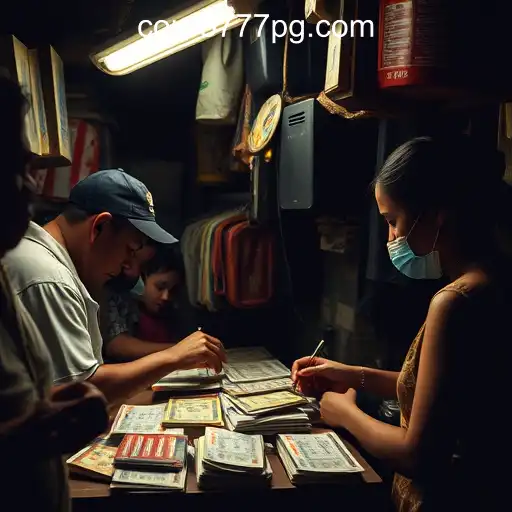
Jueteng is a simple game where bettors choose two numbers, usually between 1 and 37, similar to the format found in many legal lotteries. Each bet, placed with a "cobrador" or collector, offers significant returns if the player's numbers match the two drawn numbers. Despite its simplicity, the game's mechanics have successfully eluded legal restrictions, making it an appealing choice for bettors who look for an alternative to sanctioned lottery systems.
Roots in Filipino Culture
The game has Southeast Asian roots, potentially influenced by Chinese bingsu (lottery) traditions. It was brought to the Philippines during the Spanish colonial period. Over time, Jueteng evolved to suit Filipino societal structures and quickly expanded its reach across the archipelago. The game, which once served as a pastime among the poor, has grown into a lucrative underground industry with significant socio-political implications.
Socioeconomic Impact
Many Filipinos see Jueteng not just as a form of entertainment, but as a financial lifeline. Bets are typically small—often less than a dollar—making gambling accessible to even the poorest communities. Given their limited financial opportunities, the potential for an impressive payoff is an alluring prospect for many bettors. Despite the lack of legal protections associated with illicit gambling, Jueteng promises an instant and tangible reward that sanctioned games cannot always match.
The financial impact extends beyond individual players. Jueteng's integration into local economies is profound, with proceeds often distributed among local officials and community leaders. This distribution model reinforces loyalty and gains the protection of authorities, making it exceedingly difficult to eradicate the practice.
The Challenges of Eradication
Many administrations have tried to suppress Jueteng, employing various strategies from grassroots educational campaigns to large-scale police operations. However, these measures often struggle due to systemic issues such as corruption and political entanglement. Officials tasked with eliminating Jueteng might, ironically, be beneficiaries of its largesse, creating a perpetual cycle where efforts to curtail the practice are regularly undermined.
Legislative Measures and Government Efforts
Attempts to legalize and regulate Jueteng have consistently been part of broader policy discussions. Some policymakers argue that legalization could redirect funds into public projects and simultaneously decrease the adverse effects of gambling by ensuring greater oversight and player protection. However, counterarguments emphasize how legalization might only serve to amplify gambling addiction issues, exploiting the lower economic classes even further.
On a local level, authorities continue to combat Jueteng through community-based initiatives. These efforts emphasize education and alternative livelihood projects, mitigating the dependency on gambling as a source of income. Although these programs show promise, their scope and reach remain limited without consistent governmental support and funding.
Cultural Perceptions and the Persistence of Jueteng
Despite its illegal status, Jueteng's cultural penetration is evident in its portrayal through Filipino media, literature, and popular culture. It is frequently depicted as a part of life's tapestry within communities, ironically revealing a complex relationship between legality, morality, and necessity.
This societal acceptance speaks volumes about the challenges faced in efforts to abolish Jueteng. Many Filipinos see the game as a lesser evil or a "victimless crime" compared to more severe societal issues. This perception is one of the core reasons for its resilience. Moreover, for many, the social aspect of Jueteng—interacting with neighbors, sharing gossip, and finding common ground—offers an essential sense of community.
Jueteng and Modern Society
As the Philippines grows economically and technologically, the future of Jueteng stands at a crossroads. Increasing mobile internet penetration and smartphone utilization might pave the way for a digital version of Jueteng. In this regard, parallels can be drawn with COURO777 Oficial Slots Brasil #1—a digital platform where users engage in various gambling activities. Such digitization brings forth new challenges and considerations, including the need for regulation and potential impacts on gambling habits.
Moreover, technological advancements may offer pathways for transformation within the conventional practices of Jueteng. While this evolution could offer solutions in terms of legality and regulation, it also raises ethical debates around accessibility, targeting vulnerable populations, and exacerbating gambling addictions.
Conclusion: A Complex Reality
The landscape of Jueteng is intricate and multifaceted, a reflection of larger societal issues encompassing ethics, economics, and governance. While it remains a pervasive reality in many Filipino communities, lessons must be drawn, not just from the past efforts to curtail it, but also from observing how similar practices evolve globally. Ultimately, addressing Jueteng's deeply embedded roots requires innovative and multi-dimensional strategies balancing regulation, community empowerment, and cultural respect, paving the way for a nuanced understanding of societal gambling practices.